Português
 English
 Español
 Français
 Deutsch
 Italiano
 日本語
 العربية
 中文
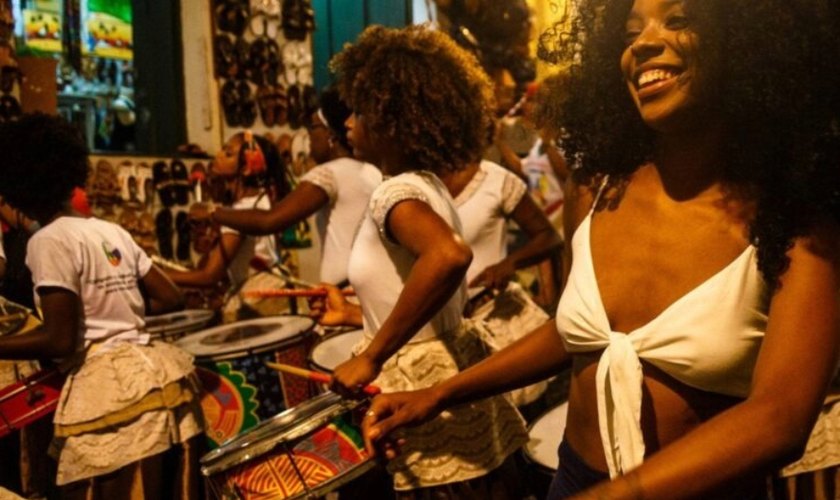
Every 20 November, Brazil pauses to honour Zumbi dos Palmares and the African heritage that runs through the country's music, food, faith and everyday life. Since 2024, the National Day of Zumbi and Black Awareness has been a national holiday, and throughout the month the country turns its attention to the heritage that shaped it. For travellers, the invitation lasts all year.
We wrote this guide for travel advisors and tour operators who want to offer clients something deeper than the postcard version of Brazil. It covers the context your clients will hear about on the ground, a short glossary worth reading before they arrive, seven destinations where Afro-Brazilian heritage is alive all year round, and the celebrations that are worth building a trip around.
Why Afro-Brazilian Heritage Matters When You Sell Brazil
It is hard to understand Brazil without its African roots. Brazil was the last country in the Americas to abolish slavery, with the Lei Áurea of 13 May 1888. More than a century later, African heritage shapes how Brazilians celebrate, pray, cook and make music, and it is part of who they are: in the 2022 Census, 55.5% of Brazilians declared themselves Black or brown (10.2% preto and 45.3% pardo), and pardo became the most declared category in the country for the first time since 1991, according to IBGE.
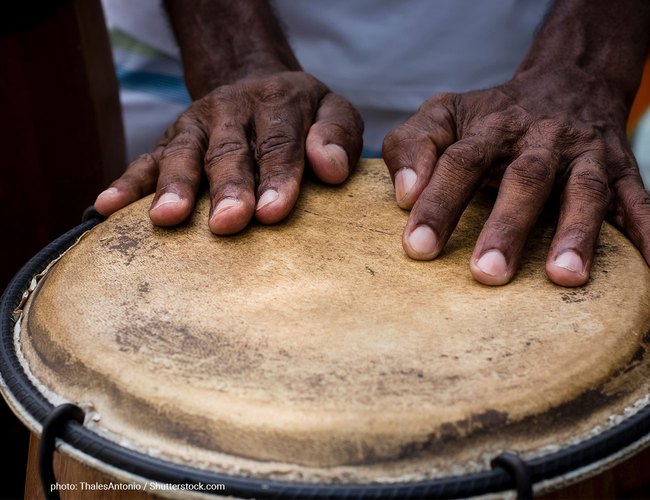
Photo: ThalesAntonio / Shutterstock.com
Part of that story was written in the quilombos. Quilombos were communities formed by Africans and Afro-Brazilians who escaped slavery during the colonial and imperial periods, creating free territories with their own social organisation, agriculture and culture. Today, quilombola communities across Brazil keep these traditions alive, and many of them welcome visitors through community-based tourism.
This is where afrotourism comes in. It invites travellers to experience this heritage first-hand, through people, places and stories that turned pain into strength and pride. For your clients, it adds meaning to places they might visit anyway: Pelourinho, the historic port of Rio or the Baroque churches of Ouro Preto read very differently once you know who built them and who keeps their traditions going. It also works across formats, from a half-day city walk for independent travellers to full programmes for groups and incentives.
A Short Glossary Before Your Clients Travel
These are the words your clients will hear from guides and hosts. Knowing them before the trip makes every visit richer.
- Quilombo: a community formed by Africans and Afro-Brazilians who escaped slavery. Palmares, in today's Alagoas, was the largest in Latin America.
- Quilombola: a descendant community of a quilombo, or a person from one. Communities can be officially certified by the Brazilian government through the Fundação Cultural Palmares.
- Candomblé and terreiro: Candomblé is an Afro-Brazilian religion, and the terreiro is its place of worship. A terreiro visit is a visit to an active religious community.
- Axé: the vital energy and blessing at the heart of Candomblé.
- Congado and Moçambique: Afro-Catholic traditions of music, dance and procession, organised in groups called guards, that honour Our Lady of the Rosary and Black saints such as Saint Iphigenia.
- Tambor de Crioula: an Afro-Brazilian drum and dance tradition from Maranhão, performed in a circle.
- Griot: in West Africa, a guardian of oral tradition, who keeps history alive through stories and songs.
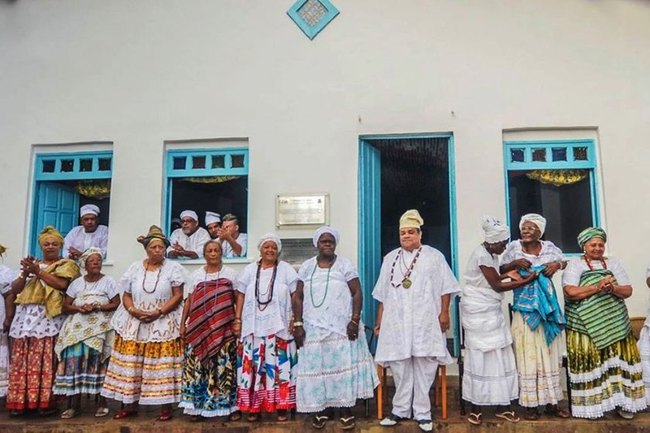
Photo: terreirosdobrasil.com.br
Salvador, Bahia: The Cradle of Afro-Brazilian Culture
Salvador is often called the cradle of Afro-Brazilian culture, and it is a city where spirituality and daily life walk side by side. Along the colourful slopes of Pelourinho, part of the Historic Centre that UNESCO inscribed as a World Heritage Site in 1985, and on the shores of the Bay of All Saints, Candomblé terreiros, drumming groups such as Olodum and Ilê Aiyê, museums and local communities keep the energy of a resilient people alive. Here, past and present meet in the form of axé.
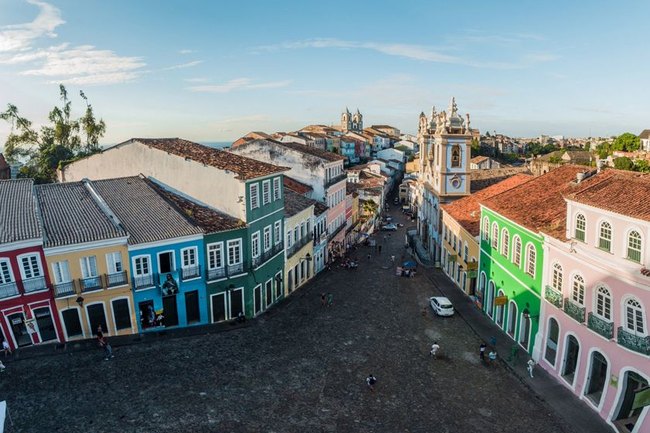
Photo: Márcio Filho / MTur
The festive calendar is one of the best reasons to time a visit. In January, the Lavagem do Bonfim sees Baianas dressed in white wash the steps of the Bonfim Church with scented water (we cover it in detail in our guide to the Lavagem do Bonfim). On 2 February, thousands of people bring offerings to the Queen of the Sea at Rio Vermelho Beach during the Festa de Iemanjá. And in August, the Festa da Boa Morte in Cachoeira, an easy day trip from Salvador, brings processions led by a historic sisterhood of Afro-Brazilian women.
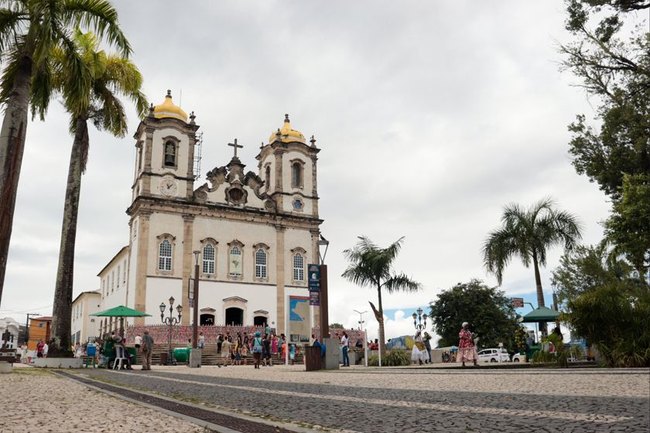
Photo: Guilherme Ferreira / Blumar DMC
Planning a first visit? Our complete guide to what not to miss in Salvador and our take on the best month to visit Salvador help you match the city to your client's dates.
Rio de Janeiro: Little Africa and a Quilombo Inside the City
Beyond its beaches and iconic views, Rio is a city of memory and ancestry. In the port district, Little Africa (Pequena África) holds stories of struggle, faith and creativity, from the Valongo Wharf, a UNESCO World Heritage Site, to Pedra do Sal, considered the birthplace of samba. We tell the full story in Discover Little Africa with Blumar DMC, and clients who fall for the music can continue the night in Rio's most traditional samba, pagode and choro venues.
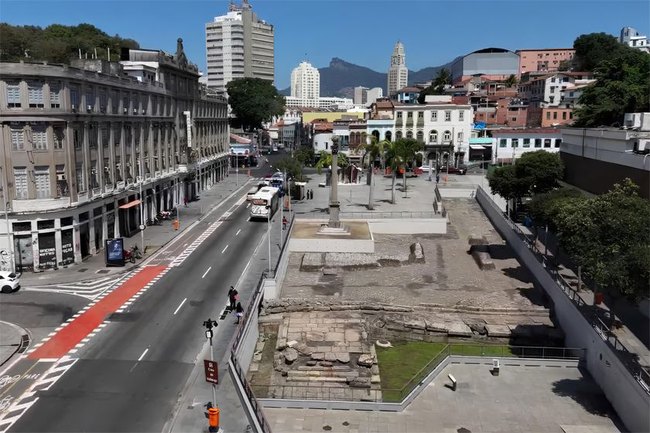
Photo: Irlen Menezes / Blumar DMC
WATCH OUR TOUR
Little Africa Tour, by Blumar DMC. Our team filmed the Little Africa Tour in the port district of Rio de Janeiro. It is the best preview to share with clients before they travel.
In the West Zone, the Quilombo Cafundá Astrogilda, in Vargem Grande, reveals another side of the city. Set within Pedra Branca State Park and officially certified as a quilombo in 2014, it welcomes visitors with trails, river swims and a small chapel that holds the altar from the terreiro of the family matriarch. The community is led by Astrogilda's grandchildren and great-grandchildren.
Ouro Preto, Minas Gerais: Baroque Splendour Built by African Hands
The gold that built Ouro Preto's Baroque splendour was extracted by enslaved Africans, and their presence is written into the city's streets and churches. Black brotherhoods built churches such as Nossa Senhora do Rosário dos Pretos and Santa Efigênia, and local tradition celebrates Chico Rei, an African king who, according to legend, bought his freedom and that of his people. The work of Aleijadinho, Brazil's great Baroque master and the son of an enslaved African mother, completes a powerful cultural journey through this UNESCO-listed town.
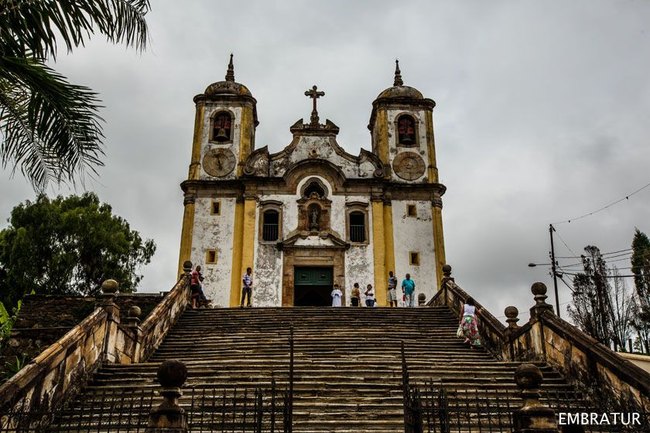
Photo: Embratur
Every January, the Festa do Reinado de Nossa Senhora do Rosário e Santa Efigênia fills the historic streets with dozens of Congado and Moçambique guards. Visitors can follow the colourful processions honouring Chico Rei, which pass by the Chico Rei Mine on their way to the Padre Faria Chapel. For more on the town itself, read our Ouro Preto guide or watch the official Visit Brasil film on Ouro Preto.
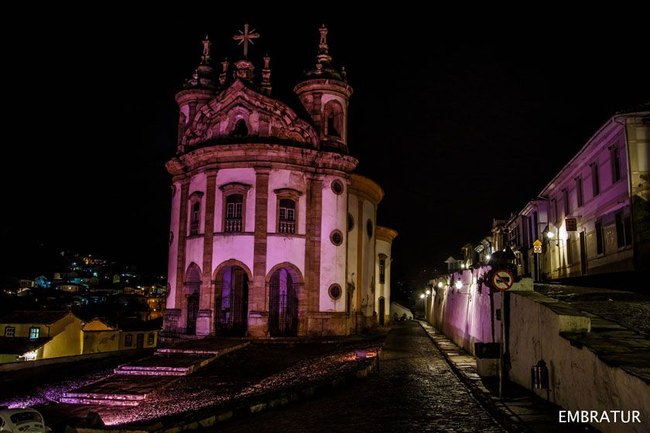
Photo: Embratur
São Paulo: Black Memory in Latin America's Largest Metropolis
São Paulo is known for its skyline, nightlife and diverse gastronomy. It is also a cultural melting pot where the rich and resilient history of the Black population stands out. The Museu Afro Brasil Emanoel Araujo, in Ibirapuera Park, holds one of the country's most important collections of Afro-Brazilian art and history, while neighbourhoods such as Liberdade and Bixiga reveal Black memory through historic chapels, squares and samba schools.
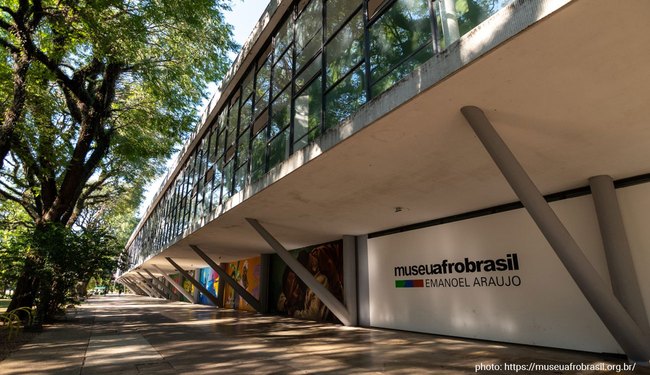
Photo: museuafrobrasil.org.br
São Paulo works especially well for clients already in the city for business: a museum visit or a walk through Liberdade and Bixiga fits easily around meetings. Visit Brasil, the Brazilian Tourism Board, shows the concept in its Black São Paulo Walk Tour film.
São Luís, Maranhão: Drums, Griots and Bumba Meu Boi
In São Luís, every street, drumbeat and smile tells the story of a people who transformed pain into art and tradition into belonging. African heritage lives in popular celebrations such as Tambor de Crioula, in the Urban Quilombo of Liberdade and in the energy of the historic centre, listed by UNESCO as a World Heritage Site in 1997. Walking its colonial streets is like listening to the voices of the griots, the West African guardians of oral tradition.
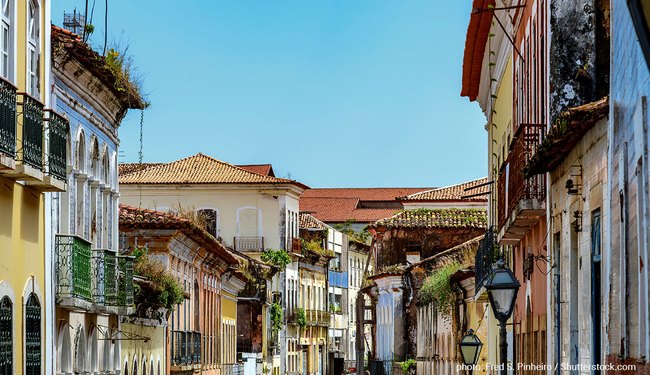
Photo: Fred S. Pinheiro / Shutterstock.com
The city's greatest celebration is Bumba Meu Boi, recognised by UNESCO as Intangible Cultural Heritage of Humanity. During the June festivities, São Luís comes alive with drums, dance, colourful costumes and the story of the ox's death and resurrection. If your clients are combining São Luís with the Lençóis Maranhenses, our article on the best months to visit Maranhão helps with timing. Visit Brasil also has a short film on the Urban Quilombo of Liberdade.
Chapada dos Veadeiros, Goiás: The Kalunga Territory
Among mountains, waterfalls and golden valleys, Chapada dos Veadeiros holds a deep spirituality. In the Kalunga territory, home of the largest quilombola community in Brazil and spread over more than 260,000 hectares, time slows down to reveal the ancestral wisdom of a people living in harmony with the land. Community-based experiences combine nature, tradition and local hospitality, offering an encounter with Brazil in its purest essence.
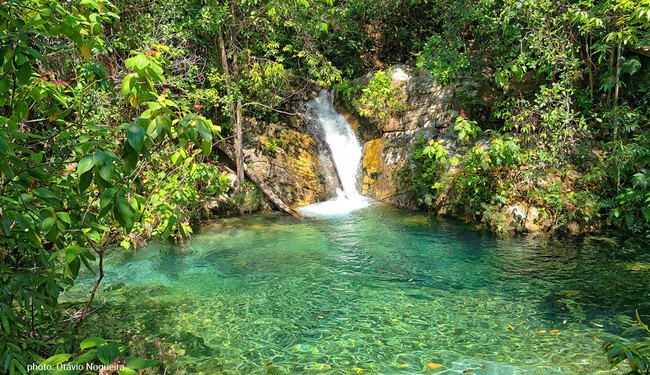
Photo: Otávio Nogueira
For a sense of what a visit looks like, the official Visit Brasil film follows a visit to Quilombo Kalunga and the Santa Bárbara Waterfall. This is a natural fit for clients who love the outdoors and want their nature days to include real contact with local people.
Alagoas: Serra da Barriga and the Quilombo dos Palmares
Behind its crystal-clear waters, Alagoas holds one of the most powerful chapters in Brazilian history. At the top of the Serra da Barriga stands the Quilombo dos Palmares Memorial Park, the centre of the largest quilombo in Latin America and home of Zumbi dos Palmares, whose death on 20 November 1695 gave rise to Black Awareness Day. Life-size reconstructions, panoramic viewpoints and multilingual audio points bring this story to life, complemented by Afro-Indigenous cuisine by chef Mãe Neide at Restaurante Baobá.
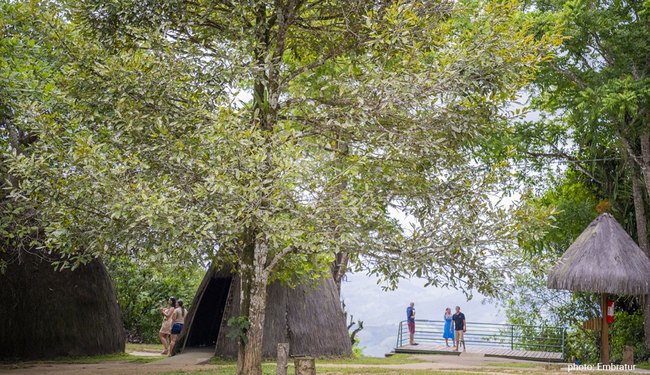
Photo: Embratur
The park makes a meaningful full-day excursion from Maceió, approximately 87 km away (around two hours), or from São Miguel dos Milagres, approximately two and a half hours by road. It is an easy way to add depth to a beach stay on the Alagoas coast.
When to Go: The Afro-Brazilian Festival Calendar
Afro-Brazilian heritage can be experienced in every month of the year, but a few dates turn a good trip into an unforgettable one. If your clients are flexible, these are the moments to build around.
How to Build an Afro-Brazilian Heritage Programme
From our experience designing these trips, the best programmes start from the client, not from the checklist. A few practical pointers:
- Start from what moves your client. Music lovers will find their trip in Salvador and in Rio's Little Africa; history and architecture lovers in Ouro Preto and Salvador; nature lovers in the Kalunga territory or at the Quilombo Cafundá Astrogilda.
- Add heritage to a classic itinerary. A day in Cachoeira from Salvador, a day on the Serra da Barriga from Maceió or São Miguel dos Milagres, or Little Africa during a Rio stay add depth without reshaping the whole trip.
- Use the calendar. January, 2 February, June, August and 20 November concentrate the great celebrations. Festival dates draw large crowds, so plan them early.
- Travel with respect. Terreiros and quilombola communities are homes and places of faith, not stages. Follow your hosts' guidance on dress and behaviour, and always ask before taking photos.
- Choose community-based experiences. When visits are hosted by the communities themselves, your clients hear the story from the people who live it.
Create Meaningful Journeys with Blumar
From city walks and terreiro visits to quilombola communities and Afro-Brazilian gastronomy, our team tailors programmes for FITs, groups and incentives that celebrate the African roots of Brazil with respect and authenticity. Contact your Blumar representative to start planning, or visit the official Blumar DMC website.
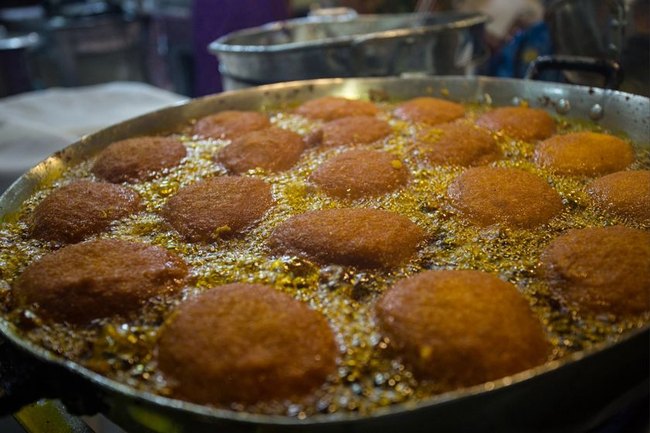
Photo: Márcio Filho / MTur
Frequently Asked Questions
1. What is the National Day of Zumbi and Black Awareness in Brazil?
Celebrated on 20 November, it honours Zumbi dos Palmares, leader of the largest quilombo in Latin America, who died on 20 November 1695. Since 2024 the date has been a national holiday in Brazil, under Law 14,759/2023.
2. What is afrotourism?
Afrotourism invites travellers to experience Afro-Brazilian heritage first-hand, through people, places and stories: terreiros, museums, historic neighbourhoods, quilombola communities, music, food and festivals. Blumar designs these experiences for FITs, groups and incentives.
3. What is a quilombo?
Quilombos were communities formed by Africans and Afro-Brazilians who escaped slavery during the colonial and imperial periods, creating free territories with their own social organisation, agriculture and culture. Today, quilombola communities keep these traditions alive, and many welcome visitors through community-based tourism.
4. Which Brazilian city is considered the cradle of Afro-Brazilian culture?
Salvador, in Bahia. Pelourinho, part of the Historic Centre inscribed by UNESCO in 1985, Candomblé terreiros and drumming groups such as Olodum and Ilê Aiyê make the city the best starting point for an Afro-Brazilian heritage trip.
5. Where is Little Africa in Rio de Janeiro?
Little Africa (Pequena África) is in Rio's port district. It includes the Valongo Wharf, a UNESCO World Heritage Site, and Pedra do Sal, considered the birthplace of samba.
6. When are the main Afro-Brazilian celebrations in Brazil?
The Lavagem do Bonfim in Salvador and the Reinado de Nossa Senhora do Rosário e Santa Efigênia in Ouro Preto take place in January, the Festa de Iemanjá in Salvador on 2 February, Bumba Meu Boi in São Luís in June, the Festa da Boa Morte in Cachoeira in August, and the National Day of Zumbi and Black Awareness on 20 November.
7. Can travellers visit a quilombola community in Brazil?
Yes. Many quilombola communities welcome visitors through community-based tourism. Examples include the Quilombo Cafundá Astrogilda in Rio de Janeiro, the Kalunga territory in Chapada dos Veadeiros and the Urban Quilombo of Liberdade in São Luís.
8. How far is the Serra da Barriga from Maceió?
The Quilombo dos Palmares Memorial Park, on the Serra da Barriga, is approximately 87 km from Maceió, around two hours by road, and approximately two and a half hours from São Miguel dos Milagres. It works as a full-day excursion.
9. Is Afro-Brazilian heritage travel suitable for groups and incentives?
Yes. Blumar tailors programmes for FITs, groups and incentives, combining city walks, terreiro visits, quilombola communities and Afro-Brazilian gastronomy with respect and authenticity.
10. What should travellers know before visiting a terreiro?
A terreiro is an active place of worship of Candomblé. Travellers should follow their hosts' guidance on dress and behaviour, and always ask before taking photos.