Português
 English
 Español
 Français
 Deutsch
 Italiano
 日本語
 العربية
 中文
It is the first question almost every client asks when Brazil comes up as a destination, and it deserves a straight answer rather than a sales pitch. Brazil has real crime problems, and pretending otherwise would be a disservice to you and to your travelers. But the picture most people carry in their heads, built from headlines and films, has little to do with what a well-run group program actually looks like. This guide sets out what the official advisories say, which risks are real, what the latest data show and, above all, how professional ground management turns Brazil into a destination you can sell and operate with confidence.
In short: yes, Brazil is a safe destination for professionally managed group travel. The U.S. State Department rates Brazil at Level 2, "exercise increased caution", the same overall level it applies to France, Germany, Italy and Spain, although Brazil's rating is driven by crime. The real risks for visitors are mostly opportunistic: phone theft, unlicensed taxis, drink spiking and wandering into the wrong area. Those are exactly the situations a DMC-managed program is designed to keep travelers out of.
What the official travel advisories actually say
The U.S. State Department rates Brazil at Level 2, "exercise increased caution", in an advisory issued on August 31, 2026, citing crime and kidnapping. That is the second of four levels and the same overall rating it currently gives France, Germany, Italy and Spain, although for those countries the main concern is terrorism.
Context matters here. The Level 2 rating means visitors should be aware of their surroundings and take sensible precautions, not that the country should be avoided. Within that overall rating, the U.S. advisory flags a few specific places as Level 4, "do not travel": favelas and other informal communities, areas within 160 km of Brazil's land borders (with the national parks of Foz do Iguaçu and the Pantanal explicitly excluded) and some satellite cities of Brasília, such as Ceilândia and São Sebastião. None of these places is part of a normal incentive, meeting or leisure itinerary.
The UK Foreign, Commonwealth & Development Office takes a similar line. It advises against all but essential travel to parts of the country, recommends avoiding favelas, including favela tours, and warns about street robbery, card cloning, drink spiking and city beaches after dark. Read side by side, the two advisories describe the same thing: a destination where risk is concentrated in specific places, times and behaviors, which is precisely what makes it manageable.
The real risks, without the drama
Photo: Bruno Lima / MTur
For visitors, the realistic risks in Brazil are opportunistic crimes, not random violence: phone and bag snatching in the street, robbery linked to unlicensed taxis and fake ride-hailing accounts, drink spiking, theft on crowded beaches and card fraud. Natural hazards such as strong ocean currents and tropical sun also deserve attention.
Here is what the official advisories actually warn about, in plain language:
- Street theft. Phones are the number one target. The UK advice notes that robberies are common on city buses and peak in the late afternoon and early evening. A phone held out on the sidewalk is the classic invitation.
- Express kidnapping. Short, opportunistic abductions in which the victim is driven to cash machines and then released. Both the U.S. and UK advisories link them mostly to unlicensed taxis and fake ride-hailing accounts.
- Drink spiking. Known in Brazil as "Boa noite, Cinderela", it is used to rob tourists, sometimes after contact through dating apps. The UK advice also warns about spirits adulterated with methanol.
- Beaches. Theft of unattended belongings is common on busy urban beaches, and the advice is to avoid city beaches after dark. Strong currents are a real hazard, and in the Recife area there is a documented shark risk.
- Card fraud. Card cloning and payment terminal scams, including overcharging, are common. Checking the amount before tapping solves most of it.
- The wrong turn. Navigation apps sometimes route cars through communities that visitors should avoid. Local drivers know which routes to take; GPS does not.
Notice what is missing from that list: random attacks on tourists in hotels, conference centers, restaurants or organized excursions. The risks are real, but they are tied to specific situations, and almost all of them involve someone moving around on their own, often at night, often using informal transport.
What the numbers say
The data point in the right direction. Brazil recorded 19.1 violent deaths per 100,000 people in 2025, the lowest rate since the national series began in 2012 and 8.2% below 2024, while the country welcomed 7.59 million international visitors between January and October 2026, beating its full-year target two months early.
Two honest caveats. First, the national trend is not uniform: according to the same Brazilian Public Security Forum yearbook, Rio de Janeiro state was among the seven states where violent deaths rose in 2025. Second, homicide statistics are concentrated in specific regions and neighborhoods, many of them far from tourist areas, so they say little about the risk a visitor faces in Copacabana, Ipanema or the Avenida Paulista. For visitors, the practical risk remains opportunistic theft, and that is where prevention pays off.
Brazil also has deep experience securing large events. In the last two years alone, Rio de Janeiro hosted the G20 Leaders' Summit (November 2024) and the BRICS Summit (July 2025), Belém hosted the UN climate conference COP30 (November 2025), and about 2 million people attended a free concert on Copacabana beach in May 2026 with nearly 8,000 security agents on duty and no serious incidents recorded.
Why group travel has a different risk profile
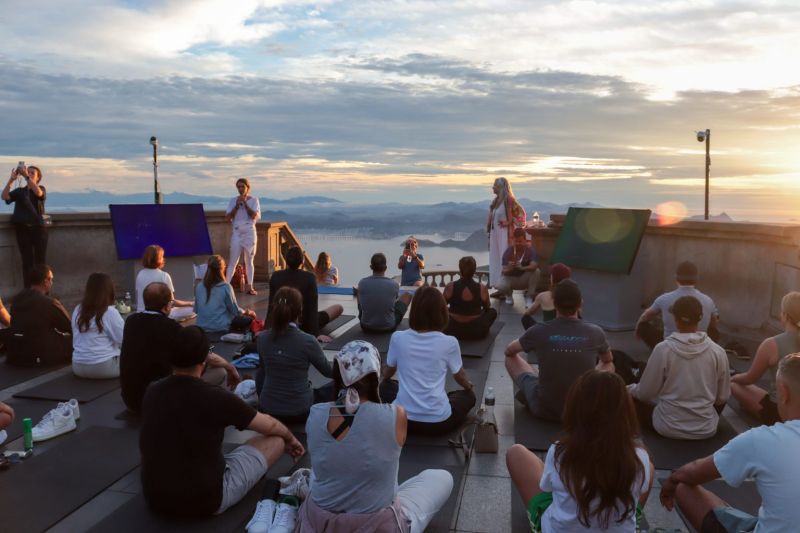
Photo: Guilherme Ferreira / Blumar DMC
The situations official advisories warn about are, almost all of them, situations a well-run group program never puts travelers in. Groups move in contracted vehicles with professional drivers, follow routes planned in advance, are accompanied by local hosts and return to the hotel by transfer, not on foot.
That is why the question "is Brazil safe?" is slightly the wrong one for a planner. The better question is "how much of the risk remains once the program is professionally managed?". The chart below compares the exposure of an independent traveler with that of a DMC-managed group for each of the main risk types.
Some exposure never disappears completely. A traveler who slips away from the group at night, or walks along the beach with a phone in hand, is back in independent-traveler territory. That is why pre-departure briefings and a clear free-time policy are part of any serious safety plan.
How a DMC manages safety on the ground
A professional DMC manages safety as a process, not as a promise: it reviews every venue and route before the group arrives, uses only licensed transport and vetted suppliers, keeps bilingual hosts with the group, runs a 24/7 duty line and follows written protocols for medical issues, theft and lost documents.
In practice, that means:
- Risk review. Every hotel, venue, restaurant and route is checked against current conditions, including temporary ones such as police operations, demonstrations or road closures.
- Transport. Contracted, licensed vehicles with known drivers. Travelers never need to hail a taxi or open a ride app during program hours.
- Hosts. Bilingual staff with the group at every move, who also brief travelers on simple habits: phones away on the street, valuables in the hotel safe, drinks never left unattended.
- Night events. Door-to-door transfers, venues selected in advance and staff present until the last guest is back at the hotel.
- Incident response. A 24/7 line answered by a real person, with protocols for medical emergencies, theft and lost passports, and established contacts with hospitals, consulates and the tourist police. In Rio, that means the Polícia Civil's Delegacia Especial de Apoio ao Turismo and the Polícia Militar's tourist area battalion, BPTur, whose officers speak English and other languages.
If you are comparing DMCs, safety is one of the areas where the difference between a good answer and a vague one is easiest to spot. Our guide on how to choose a DMC in Brazil: 12 questions to ask before you sign includes the exact safety questions to ask.
Destination by destination: what planners should know
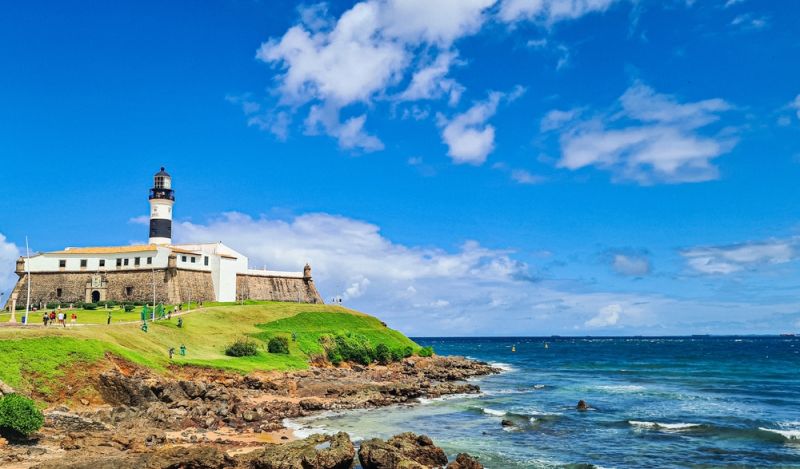
Photo: Ju Carpenter / Shutterstock.com
Each Brazilian destination has its own profile. Rio and São Paulo call for urban common sense and professional transport, Foz do Iguaçu is one of the calmest destinations in the country, and the Amazon is more about health preparation and logistics than crime.
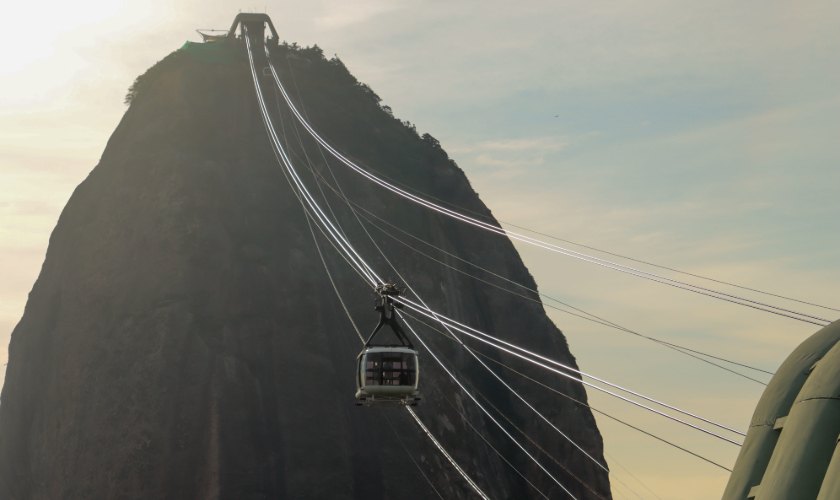
- Rio de Janeiro. The South Zone, with Copacabana, Ipanema and Leblon, along with landmarks such as Christ the Redeemer and Sugarloaf Mountain, is where most group programs take place. Beaches are for daytime, nightlife works with transfers, and phones stay in pockets on the street.
- São Paulo. Business areas such as the Avenida Paulista, Jardins, Itaim Bibi and the Faria Lima corridor are where most corporate events happen. The main challenges are traffic and phone theft, both solved by contracted transport and simple habits.
- Foz do Iguaçu. The national park is explicitly excluded from the U.S. border-area warning, and the falls are among the most organized attractions in the country.
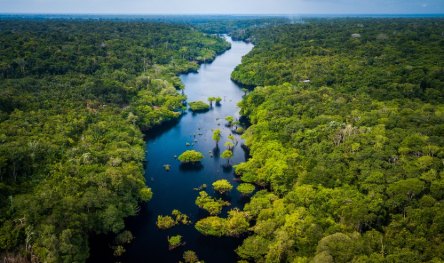
- The Amazon. Lodge-based programs are remote and controlled. Preparation is about health (check vaccine recommendations such as yellow fever with a travel health professional), river safety and logistics.
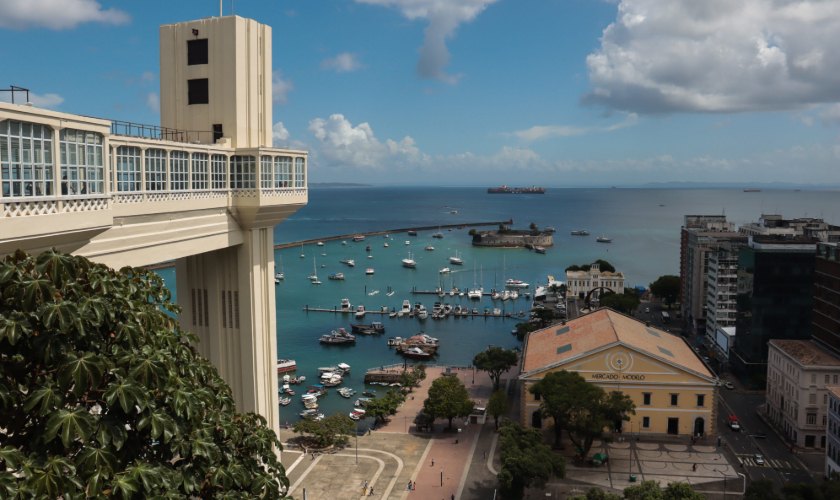
- Salvador and the Northeast. Historic centers such as Salvador's Pelourinho are best visited by day with a guide. On beaches near Recife, follow local warnings about sharks.
Myths and reality
Most fears about Brazil come from generalizing local problems to the whole country. The reality is more specific: risks are real, concentrated and largely preventable with local knowledge.
| Myth | Reality |
|---|---|
| "Brazil is too dangerous for groups." | Brazil is at U.S. Level 2, like France and Germany. Groups operate there every day, from incentives to global summits. |
| "Kidnapping is a common threat." | The risk the advisories describe is mostly express kidnapping linked to unlicensed taxis and fake ride apps. Contracted transport removes it. |
| "Carnival is chaos." | Carnival is crowded and pickpockets are active, but with reserved seating at the Sambadrome, hosted blocks and transfers, groups enjoy it safely every year. |
| "Travelers can't use their phones." | They can, indoors, in venues and in vehicles. The habit to change is holding a phone out on the sidewalk or at a car window. |
| "A community visit is just another tour." | U.S. and UK advice is to avoid favelas, including tours. For groups, a responsible DMC follows current official guidance. |
A pre-trip safety checklist for planners
Before a group travels to Brazil, check the current official advisories, confirm travel insurance with medical evacuation, share the traveler list and emergency contacts with your DMC, send a pre-departure briefing and agree on a free-time policy.
- Check the current U.S. and UK advisories, and note the date in your files.
- Confirm travel insurance that includes medical care and evacuation.
- Share the rooming list, passport copies and emergency contacts with your DMC.
- Check entry requirements: since April 10, 2025, citizens of the United States, Canada and Australia need an e-visa, which costs US$80.90 and takes about five business days.
- Check health recommendations for each region of the itinerary with a travel health professional.
- Send travelers a short safety briefing: phones and valuables, drinks, transport, beaches at night.
- Agree on a free-time policy with the DMC, including suggested areas and on-call transport.
- Save the DMC's 24/7 number in every traveler's phone.
Where Blumar fits
Photo: Guilherme Ferreira / Blumar DMC
Blumar is Brazil's largest inbound DMC, headquartered in Rio de Janeiro, with more than 40 years of experience operating groups, incentives and events across the country, a 24/7 operations line and its own teams on the ground. Founded in Rio de Janeiro in 1985, Blumar is a Virtuoso Preferred partner and an associate member of USTOA, and its partnerships include IATA, IGLTA, BLTA (Brazilian Luxury Travel Association), Embratur and Visit Rio.
Safety is not a separate service in our programs; it is built into the way we design routes, choose suppliers, brief hosts and respond when something unexpected happens. If your client is asking whether Brazil is safe, we are happy to walk you through exactly how we would run their program, step by step.
Posts you might also be interested in:
- How to Choose a DMC in Brazil: 12 Questions to Ask
- Blumar DMC at TTG Travel Experience 2026: Brazil at the Heart of Italy's Global Tourism Marketplace
- New Year’s Eve in Rio de Janeiro with Blumar DMC
- Destination Management Company Brazil: Why Blumar DMC is the Leading Choice
- What Is the Best DMC in South America? How to Choose One in 2026
FAQ - Is Brazil safe for group travel ?

Photo: cabuscaa / Shutterstock.com
Is Brazil safe for tourists in 2026?
Yes, with sensible precautions. The U.S. State Department rates Brazil at Level 2, "exercise increased caution", the same overall level as France, Germany, Italy and Spain. The main risks for visitors are opportunistic, such as phone theft and scams, and Brazil passed its full-year target for international visitors two months early in 2026.
What is the current U.S. travel advisory level for Brazil?
Level 2, "exercise increased caution", in an advisory issued on August 31, 2026. It flags specific Level 4 areas: favelas, areas within 160 km of land borders (excluding the Foz do Iguaçu and Pantanal national parks) and some satellite cities of Brasília.
Is Rio de Janeiro safe for groups?
Yes, when the program is professionally managed. Group programs in Rio focus on the South Zone and the main landmarks, with contracted transport, local hosts and transfers at night. Rio regularly hosts global events, including the G20 Leaders' Summit and the BRICS Summit.
Is São Paulo safe for corporate events?
Yes. Most corporate events take place in business districts such as the Avenida Paulista, Itaim Bibi and the Faria Lima corridor, where the main challenges are traffic and phone theft. Contracted transport and a short briefing for attendees cover both.
Is Carnival safe for groups?
Yes, with the right setup: reserved seating at the Sambadrome, hosted street parties, transfers and a clear briefing about phones and valuables. Crowds attract pickpockets, so travelers should carry only what they need. Carnival 2027 runs from February 6 to 9.
Can travelers use Uber in Brazil?
Ride-hailing apps are widely used in Brazil, and the U.S. advisory allows its own government staff to use Uber. The key advice is never to use informal or unregistered taxis. In a group program, travelers move in contracted vehicles, so the question rarely comes up.
What is express kidnapping, and how is it prevented?
Express kidnapping is a short, opportunistic abduction in which the victim is taken to cash machines and then released. Official advisories link it mostly to unlicensed taxis and fake ride-hailing accounts, which is why licensed, contracted transport is the most effective prevention.
What happens if a traveler is robbed during the program?
The DMC's duty team assists immediately: it helps the traveler file a police report, arranges medical care if needed and, if a passport was taken, coordinates with the consulate. In Rio, the Delegacia Especial de Apoio ao Turismo specializes in assisting visitors.
Do travelers need vaccines to visit Brazil?
Vaccine recommendations depend on the regions in the itinerary. Yellow fever vaccination, for example, is recommended for some areas, including the Amazon. Travelers should check with a travel health professional and the CDC's Brazil page before departure.
Should my group avoid any places in Brazil?
Yes. Follow official advice and avoid favelas and informal communities, areas near land borders outside the Foz do Iguaçu and Pantanal parks, and urban beaches after dark. None of these places is part of a typical group itinerary.